
THE GEAR STORE








⬇
ℹ️ PACKING TIPS



Here are essential tips on choosing proper gear when hiking or visiting national parks, whether you're doing short walks, day hikes, or backcountry treks:
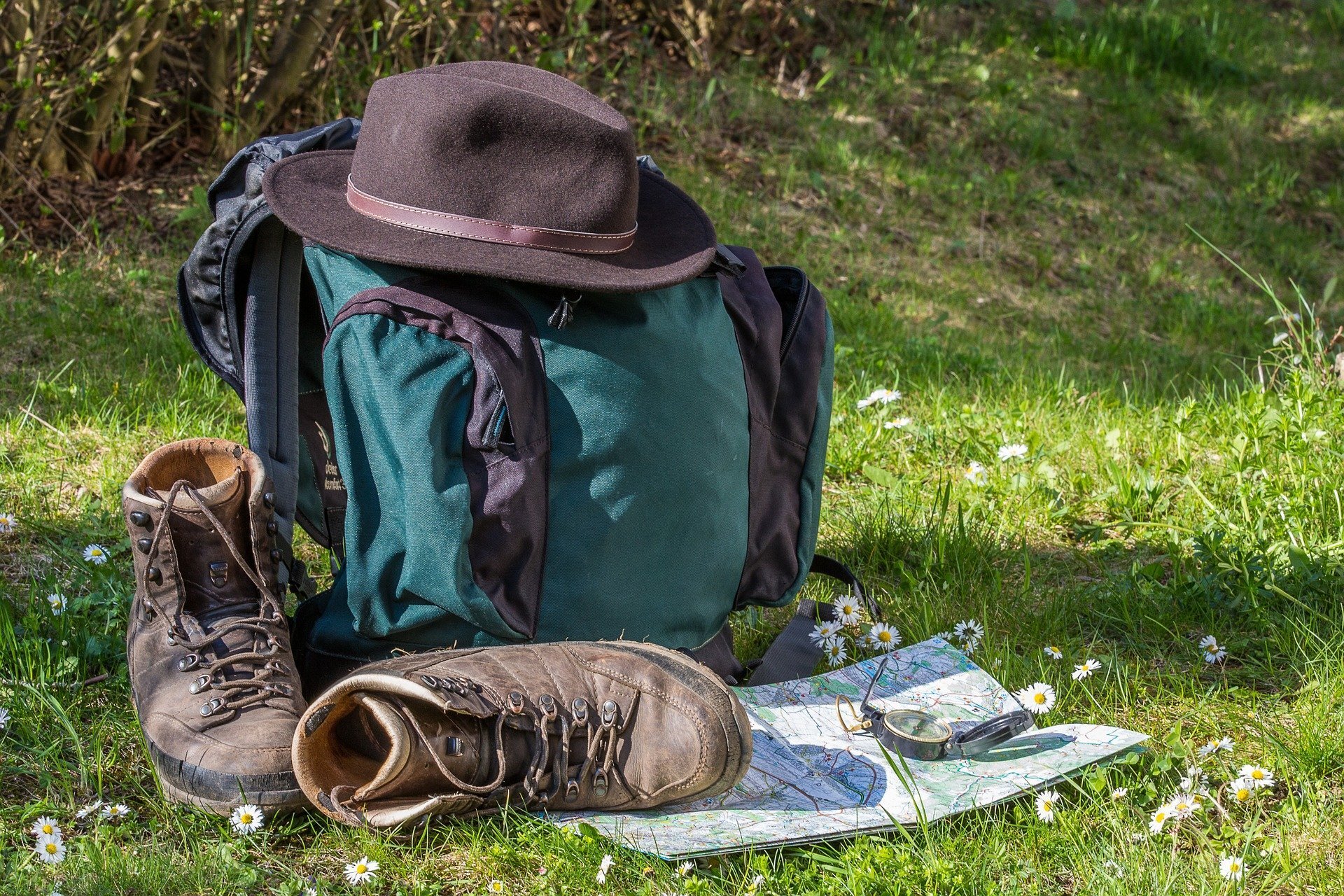
🥾 Footwear
Short walks/flat terrain: Trail runners or sturdy walking shoes.
Moderate-to-rough terrain: Lightweight hiking boots with ankle support and good grip.
Wet/snowy areas: Waterproof boots or gaiters to keep feet dry.
Tip: Break in new boots before your trip to avoid blisters.
🎒 Backpack
• Day hikes: 15–25L daypack with chest and waist straps.
• Longer treks: 30–50L backpack with hydration system compatibility.
• Must-pack items: Water, snacks, map/GPS, first aid, headlamp, extra layers.
🧥 Clothing (Layering System)
1. Base Layer (moisture-wicking): Merino wool or synthetic.
2. Insulating Layer (warmth): Fleece or down jacket.
3. Outer Layer (weatherproof): Waterproof shell (Gore-Tex or similar).
4. Avoid cotton – it retains moisture and can lead to hypothermia in cold weather.
🧢 Accessories
• Hat: Wide-brimmed for sun / beanie for cold.
• Gloves: Lightweight for cool hikes, insulated for alpine.
• Sunglasses: Polarized if possible for better visibility.
• Sunscreen & Lip Balm: Even in winter or overcast conditions.
🥤 Hydration & Nutrition
• Water: At least 2L/day; more in hot or high-altitude areas.
• Snacks: Trail mix, jerky, dried fruit, protein bars.
• Filter/purifier: For backcountry water sources (e.g., Sawyer Mini or LifeStraw).
🧭 Navigation & Safety
• Navigation: Map, compass, GPS, or phone with offline maps (e.g., AllTrails, Gaia).
• Emergency: Whistle, headlamp, power bank, space blanket, first aid kit.
• Bear safety: Bear spray (in bear country), food canister or hang system.
⛺ Backcountry Trips (Overnight)
• Tent: Lightweight and weather-resistant.
• Sleeping Bag: Appropriate temperature rating.
• Sleeping Pad: For insulation and comfort.
• Cooking Gear: Stove, fuel, spork, compact cookware